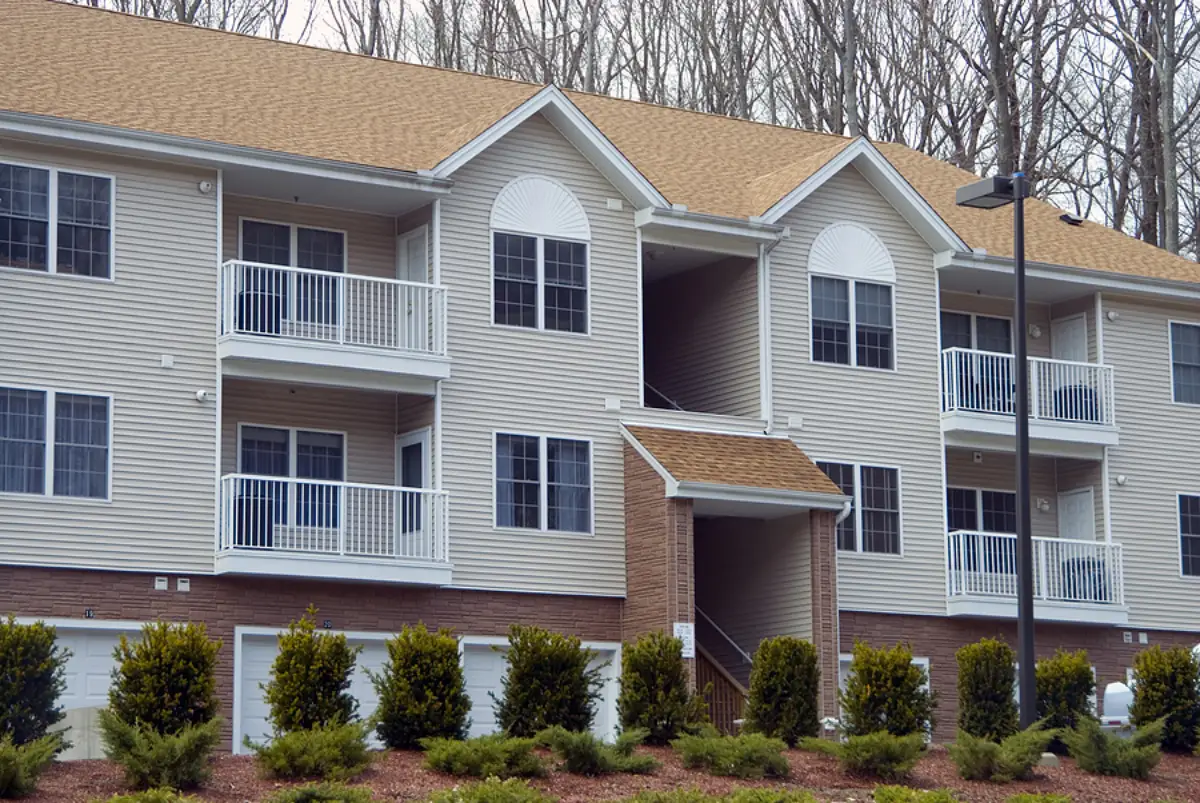
Small multifamily properties like duplexes, triplexes, fourplexes, and buildings with less than 20 units occupy a unique niche in real estate investing. They can be large enough to generate meaningful cash in a shorter period of time, yet small enough that you can manage it on your own.
The hands-on approach can be quite profitable, but only if you do it with the right discipline. Poor management is the single biggest reason why small multifamily properties tend to underperform, so here’s how you can do it well.
Key Highlights:
- Systems beat memory. Property management software centralizes rent collection, maintenance requests, lease tracking, and financial records, reducing errors and freeing up your time for higher-value decisions.
- Tenant screening protects your income. In a small building, one problematic tenant can represent a large share of your total rent roll, so consistent credit checks, income verification, rental history, landlord references, and criminal background checks are essential.
- Rent pricing should be reviewed quarterly. Checking comparable listings on Zillow, Apartments.com, or local MLS data helps you avoid underpricing, which compounds into significant lost income over time.
- Proactive maintenance prevents costly damage. Since small multifamily buildings often share major systems, a scheduled calendar for HVAC, roofing, plumbing, and weatherproofing catches problems before they spread across units.
- Financial review drives real returns. Tracking net operating income monthly, budgeting for capital expenditures, and setting aside reserves for maintenance and vacancy gives you an accurate picture of profitability, not just gross rent collected.
1. Establish Strong Systems
You can’t just manage everything from memory or through scattered notes. Organization is key to efficiency and effectiveness, and once you own more than one unit, you can’t rely on simple systems for rent collection, maintenance requests, lease tracking, and financial record-keeping.
You can use property management software to automate repetitive tasks like collecting rent, sending rent reminders, coordinating maintenance requests, or managing lease renewals. This reduces your workload so you can focus on matters that require human oversight.
Plus, most software includes features like transaction histories and other documentation, giving you a centralized platform to track expenses and income.
2. Screen Tenants Thoroughly
A problematic tenant in a single-family home is already hard enough to deal with, but in a multifamily setting, it can get a lot worse. The tension can drive out other tenants, and if you have a fourplex, that’s already 25% of your income source that can be reduced.
Your screening process should include:
- Credit Check: Set a minimum, but don’t rely solely on credit scores, since they don’t tell the whole story.
- Income Verification: The rule of thumb is that the rent price should be 2.5x their monthly income,
- Rental History: Check whether the applicant has been evicted and why.
- Previous Landlord Reference: Check in with previous landlords to get a better idea of a potential tenant’s behavior and how it can affect your business.
- Criminal History: Make sure that you only consider convictions that affect your rental property and the other residents that live in it.
Consistency is critical in tenant screening. Apply the same criteria to every applicant to avoid violating Fair Housing laws. Document your reasoning for approvals and denials, which you can use should complaints arise.
3. Price Rents Based on Data
Rental rates are the last thing you want to leave to guesswork, because that number will determine whether you have full occupancy or prolonged vacancies. Find the right rent price by checking comparable properties in your area.
Some of the most popular sites include Zillow and Apartments.com, but you can also look into local MLS data. If you’re unsure how to do it, you can hire a property manager or real estate professional to conduct market analysis for you.
It’s also wise to make a habit of revisiting your rent prices every quarter, since keeping the price for years can hurt your bottom line. Undepricing by even just $50 can compound significantly across a building, especially since you have multiple rental units.
4. Stay Ahead of Maintenance
Some landlords underestimate how much they spend on repairs because they skip regular maintenance and routine inspections. A missing shingle isn’t as expensive to fix, but when maintenance is deferred, you could end up with problems like extensive water damage, mold growth, and foundation issues.
Since small multifamily properties often share major systems, a maintenance issue in one unit is frequently a preview of what’s coming in the other rental units. You can avoid that by creating a calendar of proactive maintenance, which covers:
- HVAC servicing semi-annually
- Roof and gutter inspections annually
- Water heater and plumbing checks quarterly
- Caulking and weatherproofing on a multi-year rotation
5. Review Your Numbers
Start by tracking your net operating income (NOI), not just the gross rent collected. Your rental property will have operating expenses, such as insurance, property taxes, utilities, maintenance, cash reserves, and management costs. You must subtract all of these before you can determine your real returns.
Most landlords budget 1% of the property’s value annually for capital expenditures, such as roof replacements, major system upgrades, or new appliances. Allot about 5-10% of your gross rent to ongoing maintenance and vacancy.
Reviewing your financials monthly lets you closely monitor your rental property's performance and make the adjustments needed to ensure positive cash flow.
FAQs
Do I need property management software if I only own a duplex or triplex?
It's not strictly required, but it's recommended once you have more than one unit. Even a small property benefits from automated rent reminders and a documented record of tenant communication and payments.
How strict should tenant screening be for a small property?
Just as strict as for a larger property, if not more so. Because a single bad tenant makes up a larger percentage of your income in a small building, consistent, well-documented screening criteria are critical to protecting cash flow and staying compliant with Fair Housing laws.
How often should I adjust rent prices?
A quarterly review is a good baseline. This allows you to stay aligned with local market conditions without constantly changing tenant expectations, and it helps you avoid the income loss that comes from letting rents fall behind the market for years at a time.
Why Professional Management Works in Small Properties
You can self-manage a small multifamily rental property, but make no mistake: it will be a full-time job. By delegating tasks to a property management company like Bickerstaff Parham, your workload will be reduced, and you can focus on more important matters that require your attention.
We can offer valuable insight so you can decide what to do to maximize your rental income. The best part is that with more time on your hands, you can explore other lucrative ventures and diversify your portfolio.
Contact us, and let us help you achieve your financial goals.
More Resources:
Time Management Tips for Landlords in Columbus, GA
Capital Expenditure Planning for Rental Properties: What Should You Include?